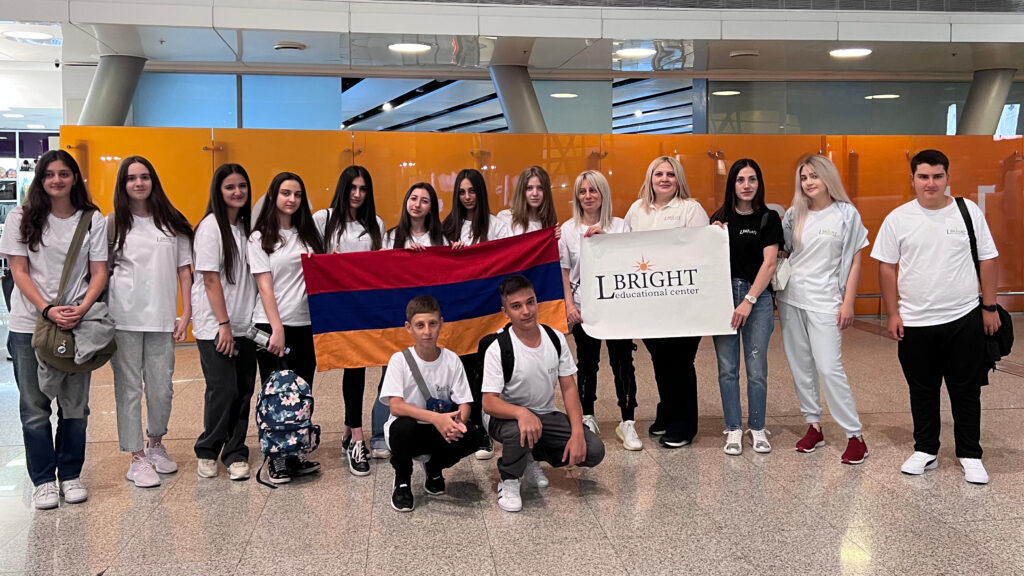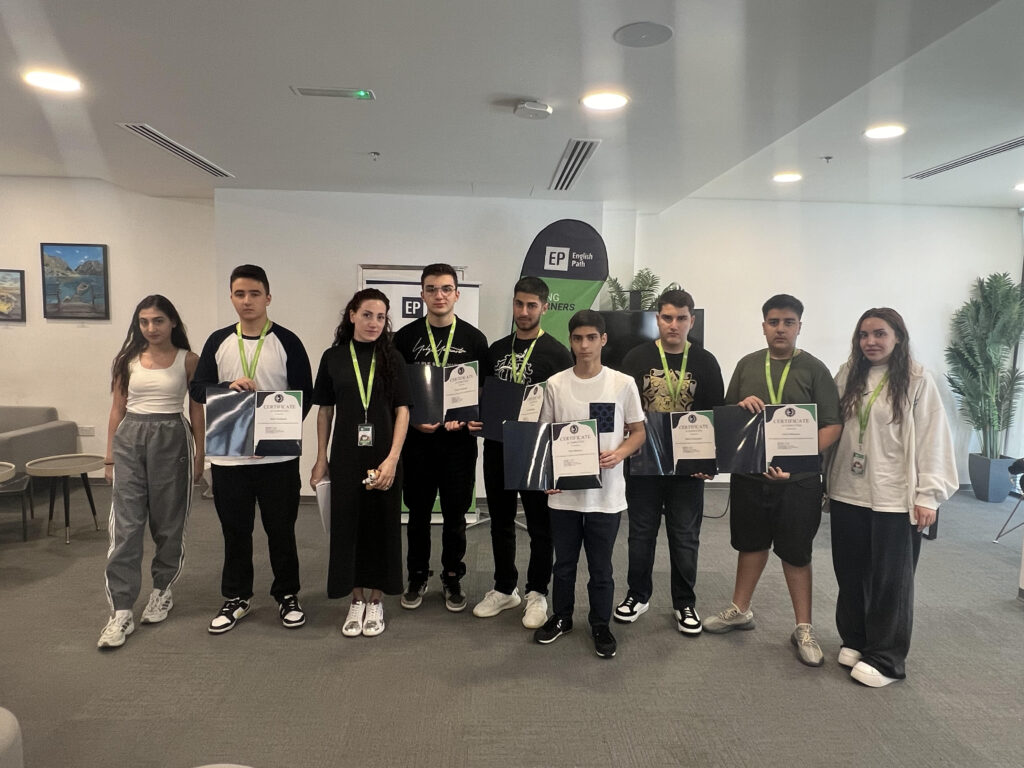

For English learners embarking on a journey to study or live in an English-speaking country, navigating the cultural landscape is as crucial as mastering the language itself. Understanding and adapting to a new cultural environment can significantly enhance the learning experience and facilitate smoother integration. Here are practical strategies and insights, aligned with LBright Educational Center’s commitment to fostering cultural sensitivity and effective adaptation among English learners abroad.
Develop Cultural Awareness 🌍
Research Before You Go: Familiarize yourself with the cultural norms, values, and social etiquette of your destination country. Understanding basic cultural dos and don’ts can prevent misunderstandings and show respect for local customs.
Engage with Cultural Training: Participate in cultural sensitivity training or workshops if available. These sessions provide valuable insights into cultural differences and how to navigate them effectively.
Practice Active Listening and Observation 👂
Observe Social Interactions: Pay attention to how locals communicate and interact with each other. Noticing non-verbal cues, social distances, and forms of address can teach you a lot about cultural norms.
Ask Questions: If unsure about a cultural practice or social norm, don’t hesitate to ask for clarification. Most people appreciate genuine interest in their culture and are happy to explain.
Embrace Language Learning as a Cultural Journey 📚
Learn Through Cultural Content: Engage with the culture through its literature, music, films, and media. This not only improves your language skills but also deepens your cultural understanding.
Practice with Locals: Use your language learning as an opportunity to interact with native speakers. This real-life practice can accelerate your learning and offer deeper cultural insights.
Stay Open-minded and Flexible 🔄
Expect and Accept Differences: Be prepared for cultural practices that are different from your own. Viewing these differences with curiosity rather than judgment fosters a more enriching experience.
Adapt and Adjust: Be willing to adjust your behaviors and expectations in response to cultural norms. Flexibility is key to successful cultural adaptation.
Build a Support Network 🤝
Connect with Fellow International Students: Building relationships with others who are also adapting to a new culture can provide a sense of solidarity and shared learning.
Seek Local Friends and Mentors: Establishing friendships with locals can offer you insights into the culture and language that you might not gain otherwise.
Reflect on Your Experiences 📝
Keep a Journal: Documenting your experiences, challenges, and observations can provide valuable reflections on your cultural adaptation journey.
Share Your Experiences: Discussing your cultural encounters with friends, family, or fellow learners can help process your experiences and gain different perspectives.
How LBright Can Help
At LBright Educational Center, we are committed to supporting English learners in their cultural and linguistic journey abroad. Our programs include:
- Pre-departure Cultural Sensitivity Training: To prepare students for the cultural aspects of their study abroad experience.
- Language Immersion Programs: Offering students the opportunity to learn English in context, surrounded by native speakers and cultural experiences.
- Support Services Abroad: Providing ongoing support to students navigating cultural adaptation, from advice and counseling to social events that encourage integration.
Conclusion
Cultural sensitivity and effective adaptation are integral to the success of English learners studying or living abroad. By embracing the strategies outlined above, learners can enrich their language acquisition with deep cultural understanding and meaningful personal growth. LBright Educational Center is here to guide and support students through this transformative journey, ensuring they make the most of their international experience while fostering respect and appreciation for the cultures they immerse themselves in.